Privacy Screen Manufacturer: What to Look for When Choosing a Factory
Choosing the right privacy screen manufacturer is an important decision for importers, distributors, wholesalers, and private-label brands. A reliable factory can help ensure consistent product quality, accurate screen dimensions, suitable customization, and stable supply. The wrong supplier, on the other hand, may lead to compatibility problems, inconsistent products, delayed orders, and unnecessary costs.
When choosing a privacy screen manufacturer, buyers should evaluate five key areas: actual manufacturing capabilities, product quality control, customization options, technical support, and order management. Price matters, but it should not be the only factor in a long-term B2B sourcing decision.
This guide explains what to look for when selecting a privacy screen factory and how to evaluate a potential manufacturing partner before placing a bulk order.
1. Confirm Whether the Supplier Is a Manufacturer or a Trading Company
One of the first steps is understanding the supplier's actual business role.
A privacy screen supplier may be:
-
A manufacturer: Produces privacy filters or relevant components in its own facilities.
-
A trading company: Sources products from one or more factories and sells them to overseas buyers.
-
A manufacturer with trading operations: Operates its own production facilities while also managing export sales and customer services.
These business models are not automatically good or bad. The important point is knowing who is responsible for production, quality control, customization, and delivery.
How to verify a privacy screen factory
Before starting a business relationship, consider asking for:
-
Factory information: Company background, manufacturing address, and relevant business information.
-
Production videos: Actual footage showing relevant production processes.
-
Product samples: Samples that allow you to evaluate product quality and compatibility.
-
Manufacturing details: An explanation of which processes are performed in-house and which are outsourced.
-
Quality control procedures: Information about how incoming materials, production processes, and finished products are inspected.
Factory photographs and promotional videos can provide useful initial information, but they should not be treated as complete proof of manufacturing capability.
For larger orders, buyers may also consider a factory audit or an independent inspection.
2. Evaluate the Factory's Privacy Screen Product Range
A capable privacy screen manufacturer should be able to clearly explain its actual product range and the applications each product is designed for.
For B2B buyers, two major product categories are particularly important.
Laptop privacy filters
Laptop privacy filters are designed for notebook displays and help reduce side-angle visibility.
When evaluating a supplier's laptop privacy filter range, check:
-
Supported screen dimensions and aspect ratios.
-
Compatibility with different laptop models.
-
Available attachment or mounting designs.
-
Optical clarity from the intended front viewing position.
-
Privacy performance from the sides.
-
Available product configurations.
Laptop compatibility requires careful attention because models with similar screen sizes may have different dimensions, bezel structures, or webcam positions.
Desktop monitor privacy filters
Monitor privacy filters are designed for standalone displays used in offices, commercial environments, and other workplaces.
Important evaluation factors include:
-
Supported monitor dimensions.
-
Screen aspect ratios.
-
Compatibility with different monitor designs.
-
Available installation methods.
-
Product stability and fit.
-
Options for special sizes or configurations, where supported.
A supplier should be able to explain how it confirms dimensions and compatibility before production.
Why product range matters
If your business serves different customer groups, a supplier with relevant laptop and monitor privacy filter capabilities may make product sourcing and communication more efficient.
However, do not assume that every manufacturer supports every size, mounting method, or product configuration. Always request its current product information.
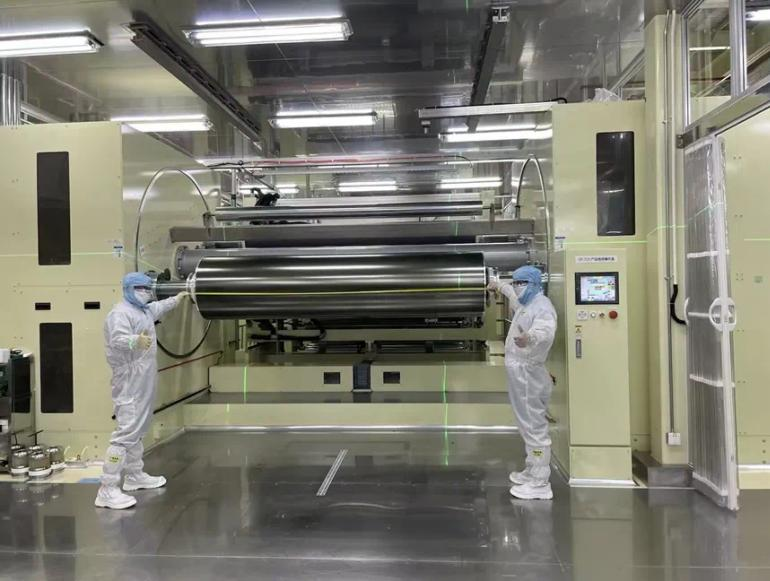
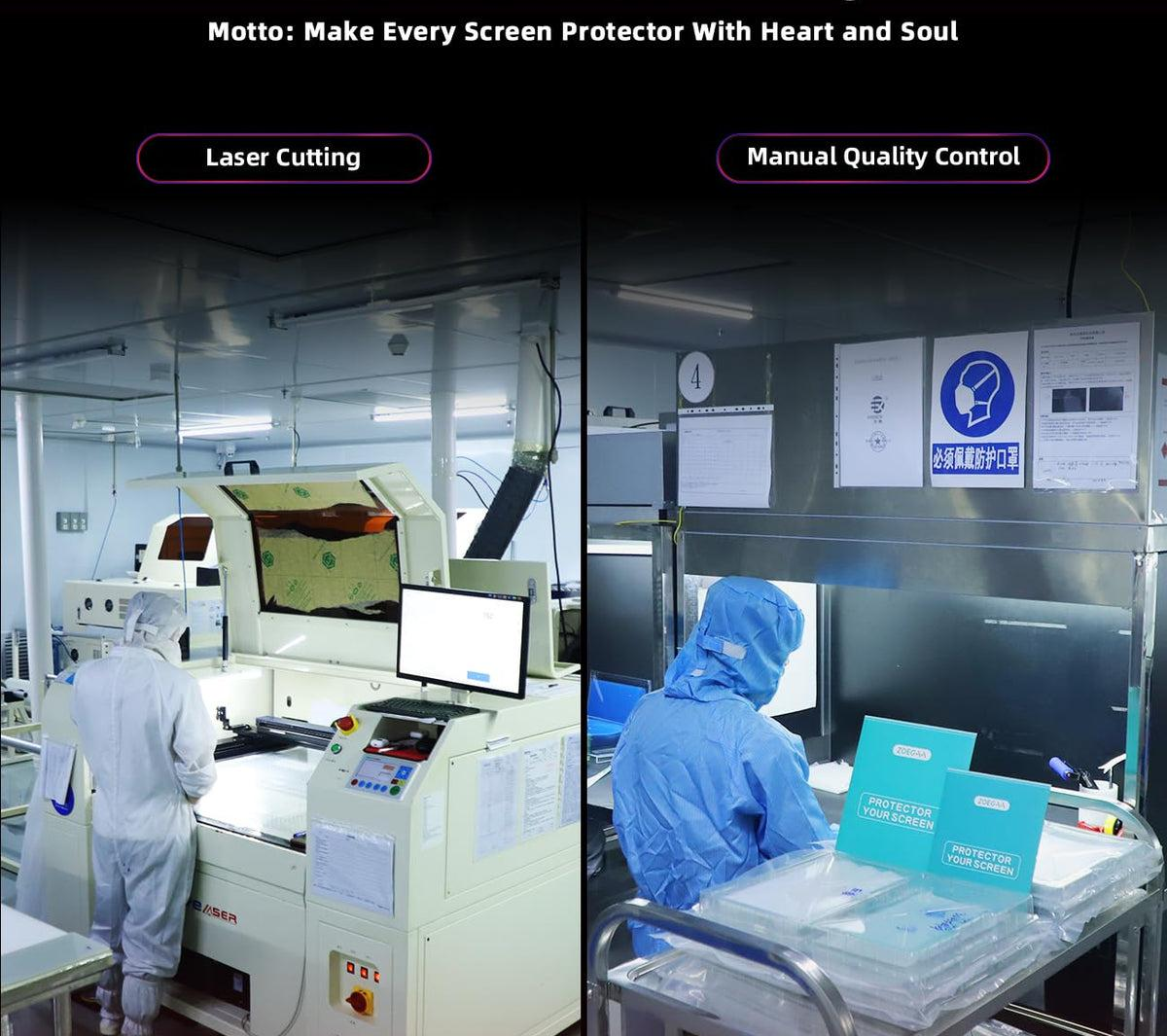
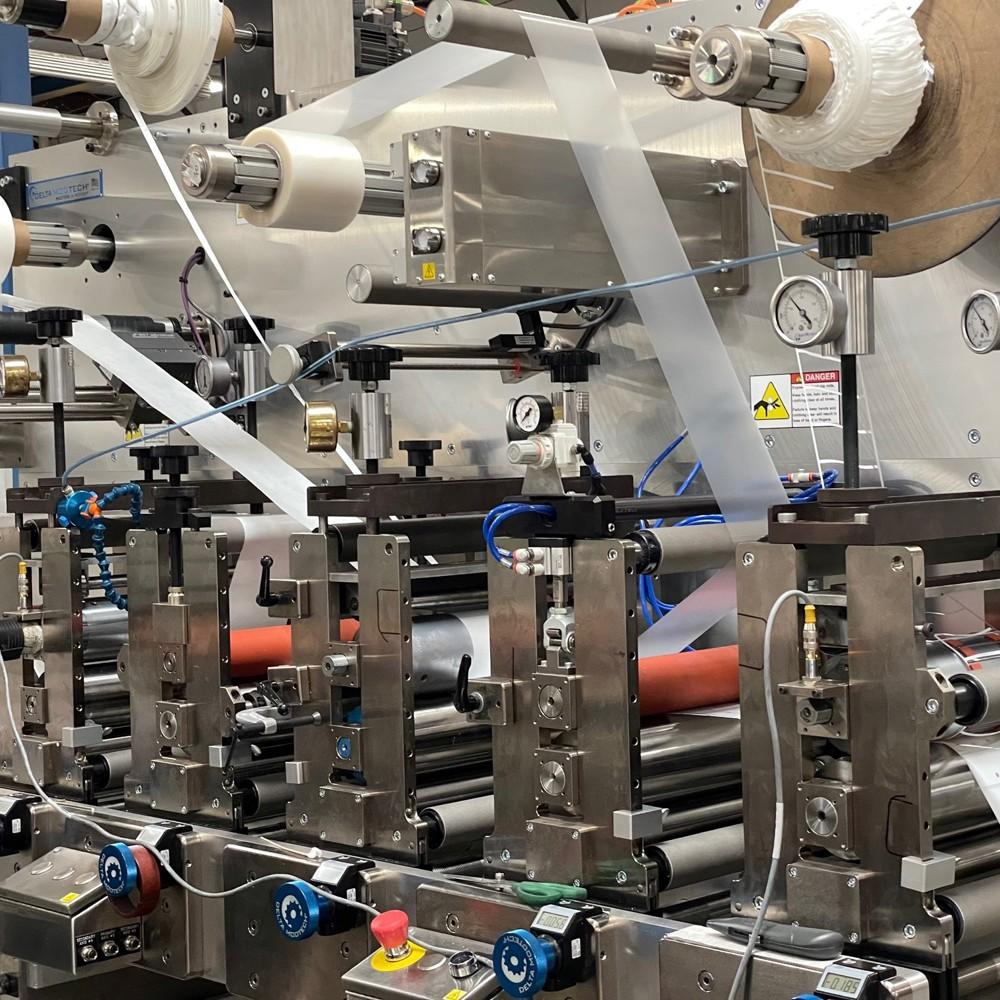
3. Check Manufacturing Capabilities and Production Processes
Manufacturing capability is one of the most important factors when selecting a privacy screen factory.
A supplier's production processes influence product consistency, customization possibilities, and its ability to manage different order requirements.
Depending on the product and factory setup, relevant manufacturing processes may include:
-
Optical film or material processing.
-
Precision cutting and dimensional processing.
-
Surface treatment or coating.
-
Product lamination and assembly.
-
Edge finishing.
-
Inspection and packaging.
Not every factory performs every process in-house. Buyers should ask which operations are handled internally and which are outsourced.
Questions to ask about production capability
-
Which production processes are completed in your own facility?
-
What product dimensions and configurations can you manufacture?
-
Can you support customized product requirements?
-
How do you control dimensional accuracy?
-
How do you manage changes to product specifications?
-
How do you maintain consistency between samples and bulk orders?
For overseas buyers, a clear understanding of the production process is often more useful than general claims about factory size or manufacturing strength.
4. Evaluate Product Quality Control
Product quality is not determined by appearance alone. A privacy filter must meet its intended optical, dimensional, and installation requirements.
A professional supplier should be able to explain how it checks product quality at different stages.
Incoming material inspection
Materials should be checked against the relevant purchasing and product requirements before entering production.
Depending on the product, this may include visual condition, material specifications, and other relevant characteristics.
In-process inspection
During production, relevant checkpoints may include:
Finished product inspection
Before shipment, products should be checked against the approved specifications and agreed quality requirements.
For privacy filters, buyers may want to evaluate:
| Quality factor |
What buyers should check |
| Dimensional accuracy |
Whether the filter matches the approved measurements |
| Optical clarity |
Whether the screen is comfortable to view from the intended position |
| Privacy performance |
Whether side-angle visibility is reduced as specified |
| Surface condition |
Whether there are visible scratches, stains, or defects |
| Edge quality |
Whether edges are properly finished |
| Installation fit |
Whether the filter fits the intended device and mounting design |
| Batch consistency |
Whether bulk products match the approved sample |
For B2B orders, it is useful to agree on product specifications, acceptable quality criteria, and inspection procedures before mass production begins.
5. Ask About OEM and ODM Customization
For distributors, wholesalers, and private-label brands, customization can be an important part of product sourcing.
OEM and ODM are common terms in manufacturing, but buyers should confirm what the supplier actually offers.
OEM (Original Equipment Manufacturing) generally refers to producing products according to a buyer's supplied specifications, designs, or branding requirements.
ODM (Original Design Manufacturing) generally refers to a manufacturer providing existing or developed product designs that can be adapted for a buyer's business requirements.
Depending on the factory's actual capabilities, privacy filter customization may include:
-
Product dimensions and screen compatibility.
-
Supported mounting configurations.
-
Product materials or surface treatments.
-
Logo and brand presentation.
-
Retail or bulk packaging.
-
Product labeling and documentation.
What should you confirm before ordering?
Before requesting an OEM or ODM quotation, prepare the following information:
-
Target device types and models.
-
Required screen dimensions and aspect ratios.
-
Preferred product configuration.
-
Mounting requirements.
-
Branding and packaging requirements.
-
Estimated order quantity.
-
Target market and intended application.
The more clearly these requirements are defined, the easier it is for the manufacturer to assess feasibility and provide an accurate quotation.
6. Compare Samples Before Placing a Bulk Order
Product samples are an essential part of the B2B sourcing process.
Even when a manufacturer provides detailed specifications, a physical sample helps buyers evaluate actual product performance and compatibility.
For laptop and monitor privacy filters, sample evaluation should include:
1. Size and fit
Check the filter against the intended device. Confirm its dimensions, alignment, and mounting compatibility.
2. Front-view clarity
Evaluate whether text, images, and other display content remain comfortable to view.
3. Side-view privacy
Check the filter from different left and right viewing positions.
4. Surface appearance
Inspect for scratches, dust, stains, and other visible defects.
5. Installation experience
Test whether the mounting method is suitable for the intended users and devices.
6. Packaging condition
Check whether the sample packaging provides appropriate protection during handling and transportation.
After approving the sample, document the agreed specifications. The approved sample should serve as a reference for bulk production.
7. Evaluate Communication and Order Management
A factory's ability to manufacture a product is only one part of a successful sourcing relationship.
Overseas buyers also need clear communication and reliable order coordination.
Before choosing a supplier, evaluate whether the company can:
-
Understand technical requirements accurately.
-
Respond clearly to product and compatibility questions.
-
Provide quotations with defined specifications.
-
Explain sample approval procedures.
-
Confirm production arrangements and estimated lead times.
-
Communicate changes or potential production issues.
-
Provide relevant shipping and export documentation.
Why technical communication matters
Privacy filters require accurate information about display dimensions, product structures, mounting requirements, and optical performance.
Misunderstandings at the quotation stage may result in incorrect samples or unsuitable bulk products.
A supplier that can review technical information and clarify requirements before production can help reduce these risks.
8. Price vs. Value: How to Compare Privacy Screen Manufacturers
Choosing the lowest quotation does not always produce the best sourcing result.
Two suppliers may quote different prices because of differences in materials, product specifications, manufacturing processes, quality requirements, packaging, and order conditions.
When comparing quotations, make sure the products are being evaluated on the same basis.
| Comparison factor |
What buyers should confirm |
| Product specifications |
Are the dimensions, materials, and configurations the same? |
| Optical performance |
Are viewing-angle and clarity requirements comparable? |
| Quality control |
What inspection procedures are included? |
| Customization |
Are branding and packaging included or charged separately? |
| MOQ |
What is the minimum order quantity for each configuration? |
| Lead time |
When does the estimated production period begin? |
| Packaging |
What type of packaging is included? |
| After-sales support |
How are quality concerns and product issues handled? |
A good sourcing decision considers the total cost of purchasing, shipping, inspection, potential defects, and ongoing supply requirements.
For long-term B2B cooperation, product consistency and communication can be just as important as the initial unit price.
9. Common Mistakes to Avoid When Choosing a Privacy Screen Factory
Overseas buyers can reduce sourcing risks by avoiding several common mistakes.
Choosing a supplier based only on price
A low quotation may not include the same specifications, quality requirements, or packaging as competing offers.
Compare products on an equivalent basis before making a decision.
Not verifying actual manufacturing capabilities
A supplier may describe itself as a manufacturer without performing all production processes in-house.
Ask which processes are handled directly and request relevant evidence.
Skipping sample testing
A product that looks suitable in photographs may not fit the intended laptop or monitor.
Always test samples against the target devices.
Ignoring compatibility details
Screen diagonal size alone is not enough to confirm a perfect fit.
Check the visible display dimensions, aspect ratio, bezel design, and mounting requirements.
Failing to confirm specifications in writing
Unclear product requirements can lead to differences between the approved sample and the bulk order.
Document specifications, tolerances, inspection requirements, and packaging details before production.
Overlooking long-term supply requirements
A supplier may be suitable for a small trial order but less suitable for ongoing business.
Consider communication, production coordination, product consistency, and the ability to support future orders.
FAQ
How do I find a reliable privacy screen manufacturer?
Start by checking the company's business information, actual manufacturing capabilities, product range, and quality control procedures. Request samples, confirm technical specifications, and evaluate communication before placing a bulk order.
What is the difference between a privacy screen manufacturer and a trading company?
A manufacturer produces products through its own manufacturing operations, while a trading company generally sources products from external factories. Some businesses combine manufacturing and trading activities. Buyers should confirm who is responsible for production and quality control.
Can a privacy screen factory produce custom sizes?
Some manufacturers support customized dimensions and configurations, but available options depend on their production capabilities and product designs. Provide exact screen measurements and device information to confirm feasibility.
What is the difference between OEM and ODM privacy filters?
OEM generally involves manufacturing according to the buyer's supplied specifications or branding requirements. ODM generally involves adapting or supplying manufacturer-developed product designs. The actual services offered should be confirmed with each factory.
What should I check before placing a bulk privacy filter order?
Confirm the product specifications, screen compatibility, approved sample, quality standards, order quantity, packaging, estimated lead time, and shipping arrangements. Document the agreed requirements before production.
What is the MOQ for custom privacy filters?
MOQ varies by manufacturer, product design, dimensions, materials, and customization requirements. Buyers should provide their target specifications and quantities to receive an accurate quotation.
Can one manufacturer supply both laptop and monitor privacy filters?
Some manufacturers offer both product categories, but supported sizes, mounting options, and configurations vary. Ask for the current product range and confirm the specific requirements for each device type.
Conclusion: Choose a Factory That Can Support Your Long-Term Business
Selecting a privacy screen manufacturer is not simply about finding the lowest price. Buyers should evaluate actual manufacturing capabilities, product quality control, customization options, technical communication, and order management.
For overseas distributors, importers, and private-label brands, a reliable manufacturing partner can help reduce sourcing risks, improve product consistency, and support long-term business development.
YIPI is a source manufacturer focused on laptop and monitor privacy filter products. We welcome inquiries from overseas distributors, wholesalers, corporate buyers, and private-label brands interested in discussing product specifications, customization requirements, and business cooperation.
Visit our website: https://www.privacyfilter.com/